Kaziranga National Park
Kaziranga National Park
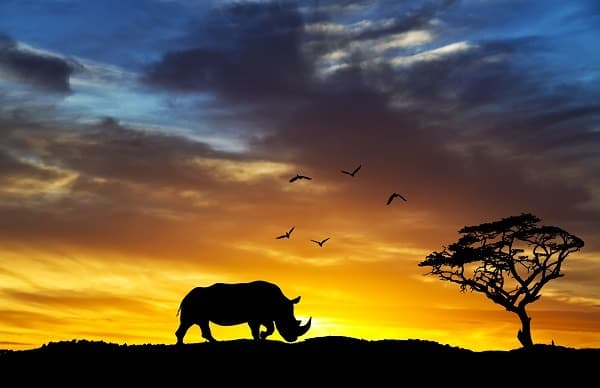
Kaziranga National Park in Assam is home to the world's largest population of Indian one-horned rhinoceros. This UNESCO-listed sanctuary of grasslands and wetlands is best explored by safari between November and April.
Kaziranga National Park sprawls across the alluvial plains of the Brahmaputra River in Assam state, northeastern India. Inscribed as a UNESCO World Heritage Site in 1985, it shelters the world's largest population of Indian one-horned rhinoceros. Its towering grasslands, semi-tropical forests, and wetlands are home to Bengal tigers, wild Asian elephants, water buffalo, and an exceptional array of bird species. It remains one of the few places where Asian wildlife allows observation at close range.
Quick Facts
- Entrance fee: payable; rates differ for Indian residents and foreign visitors
- Season: generally open November to April; closed during the monsoon (May–October) due to flooding
- Safaris: two daily slots — early morning and late afternoon; advance booking recommended
- Recommended duration: 2 to 3 days to cover multiple zones and safari types
- Attire: neutral colors (khaki, green, beige) recommended; avoid white and bright hues
- Access: nearest airport is Jorhat (approximately 97 km away); Guwahati is around 220 km via National Highway NH-715
- Accessibility: limited for visitors with reduced mobility; safari tracks are unpaved
What to See
Kaziranga has four distinct safari zones: Kohora (central), Bagori (western), Agoratoli (eastern), and Burapahar (northern). Each zone offers slightly different landscapes and wildlife. Elephant grasslands dominate the scenery, punctuated by ponds and riverine forests.
- Indian one-horned rhinoceros: Kaziranga harbors more than two-thirds of the world's population of this species
- Bengal tiger: among India's highest densities; the park is also a tiger reserve
- Asian elephant: large herds visible particularly in the western zone
- Wild water buffalo: a rare species, present here in significant numbers
- Birdlife: over 480 species recorded, including Dalmatian pelicans and painted storks
History and Context
The park was established in 1905, championed by Mary Curzon, wife of the Viceroy of India, alarmed by the decline of rhinoceros populations. Originally a forest reserve, then a sanctuary, it gained national park status in 1974. UNESCO inscription in 1985 secured its global ecological importance. Annual Brahmaputra floods, far from being a threat, regenerate soils and sustain the richness of the grasslands.
Highlights of Your Visit
Jeep Safari
Jeep safaris provide access to the park's deeper zones. The central zone (Kohora) is the most frequented and offers the best chances to spot rhinoceros and tigers. Depart at dawn: wildlife is active and light is ideal for photography.
Elephant Safari
Available in certain zones, this mode of travel allows you to approach rhinoceros without alarming them. Seats are limited and highly sought after; book at the park office upon arrival.
Bird Watching
Kaziranga's wetlands attract migratory species between November and March. The Brahmaputra shoreline and interior ponds are prime viewing spots.
Watchtower
Several observation towers are accessible on foot from park entrances. The Sohola tower in the western zone offers expansive grassland views and allows wildlife observation without a vehicle.
Photography Tips
Golden light during the first two hours after sunrise is optimal. Bring a telephoto lens (300 mm minimum recommended): animals are observed at regulatory distance. Avoid flash, which is prohibited and disturbs wildlife. In the jeep, switch off the engine once the guide stops to prevent spooking animals.
Location and Access
The park spreads primarily across Golaghat district, with the main entrance at Kohora on NH-715 connecting Guwahati to Jorhat. Bokakhat town serves as the nearest logistical hub. From Guwahati, allow 4 to 5 hours by road. Jorhat Airport is served by flights from Kolkata and Guwahati. Regular buses and shared taxis connect Guwahati to Kohora.
Nearby Attractions
- Majuli Island — the world's largest inhabited river island, center of Assam's Vaishnavite culture, approximately 100 km from Kaziranga.
- Jorhat — a convenient stopover town, gateway to Majuli and the region's tea estates.
- Guwahati — Assam's capital, home to Kamakhya Temple and the Brahmaputra riverbanks, about 220 km away.
- Pobitora Sanctuary — a smaller reserve with high rhinoceros density, approximately 140 km to the west.
Frequently asked questions
November to April, when the park is open and vegetation is less dense. February and March strike a good balance between wildlife visibility and pleasant temperatures.
Yes, especially during peak season (December–January). Elephant safaris are particularly limited in capacity; book at the park entrance office upon arrival.
A minimum of two days to cover two different zones. Three days allow exploration of the eastern and northern zones, which are less crowded and often more pristine.
Yes. Majuli Island is easily reached from Jorhat, about 100 km away. Guwahati, 220 km distant, enables you to enhance your trip with Kamakhya Temple before or after the park.
Yes, photography is permitted. Flash is prohibited. Drones require special authorization from forest authorities and are generally denied.
Stick to neutral colors (khaki, green, beige). Bring a warm layer for early morning safaris, even in the dry season: temperatures are cool at dawn.
Photos
Want to discover this destination?
Our local advisors design your tailor-made trip.